Tattoo – the most intimate form of memory
In recent years, tattoos have become more than an aesthetic choice — they’ve evolved into a cultural code, a language of identity, memory, and bodily autonomy. Women and queer people are turning their bodies into archives, acts of rebellion, and quiet gestures of self-love.
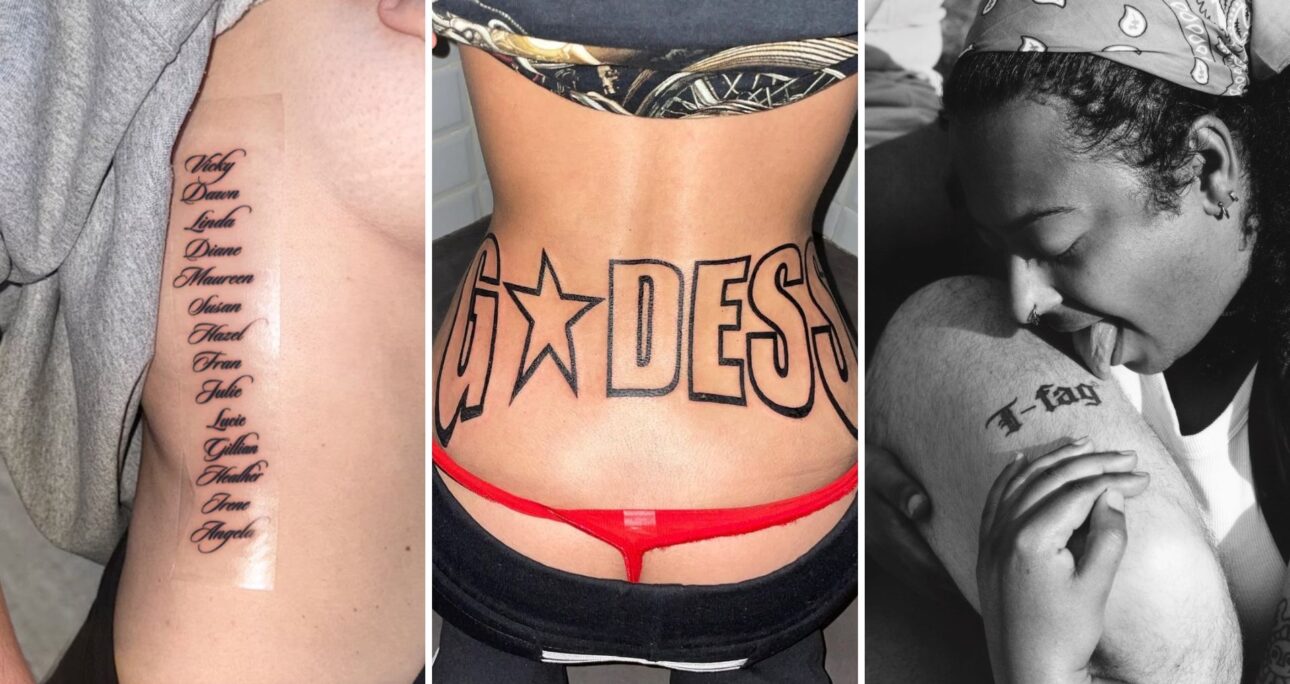
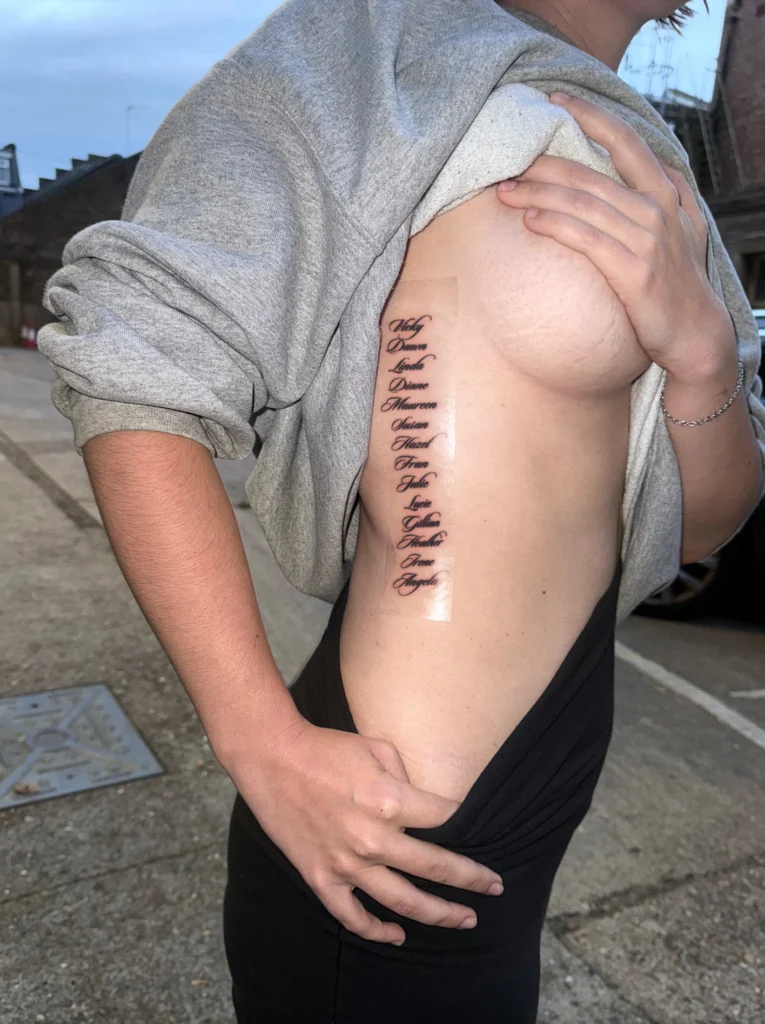
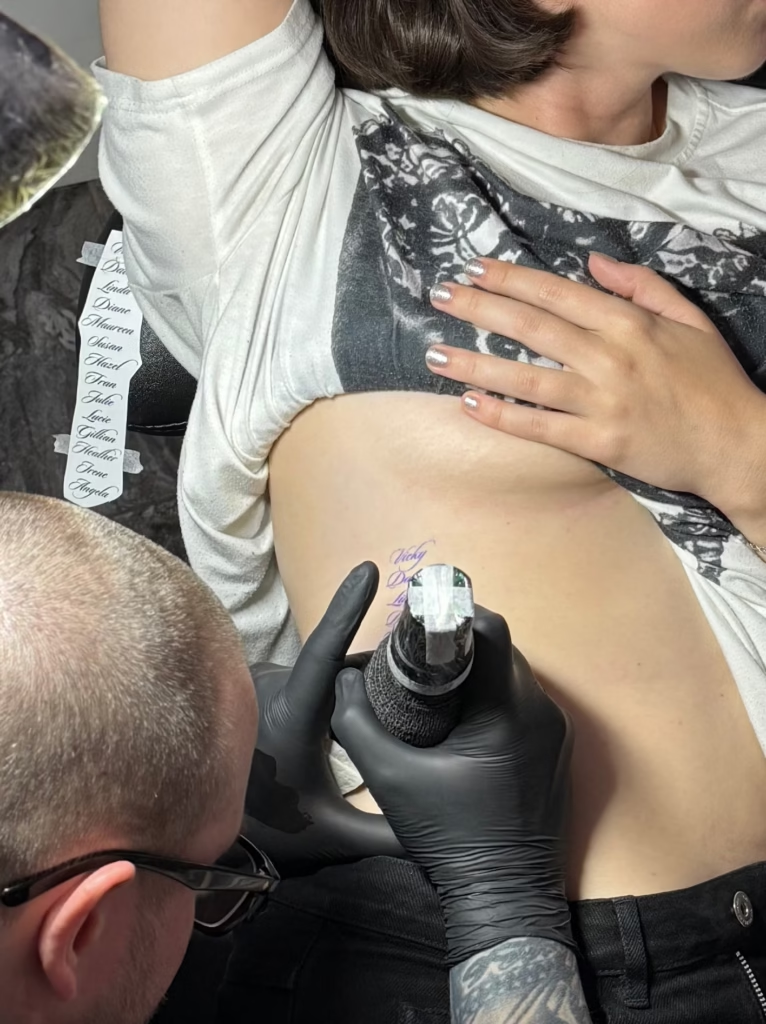
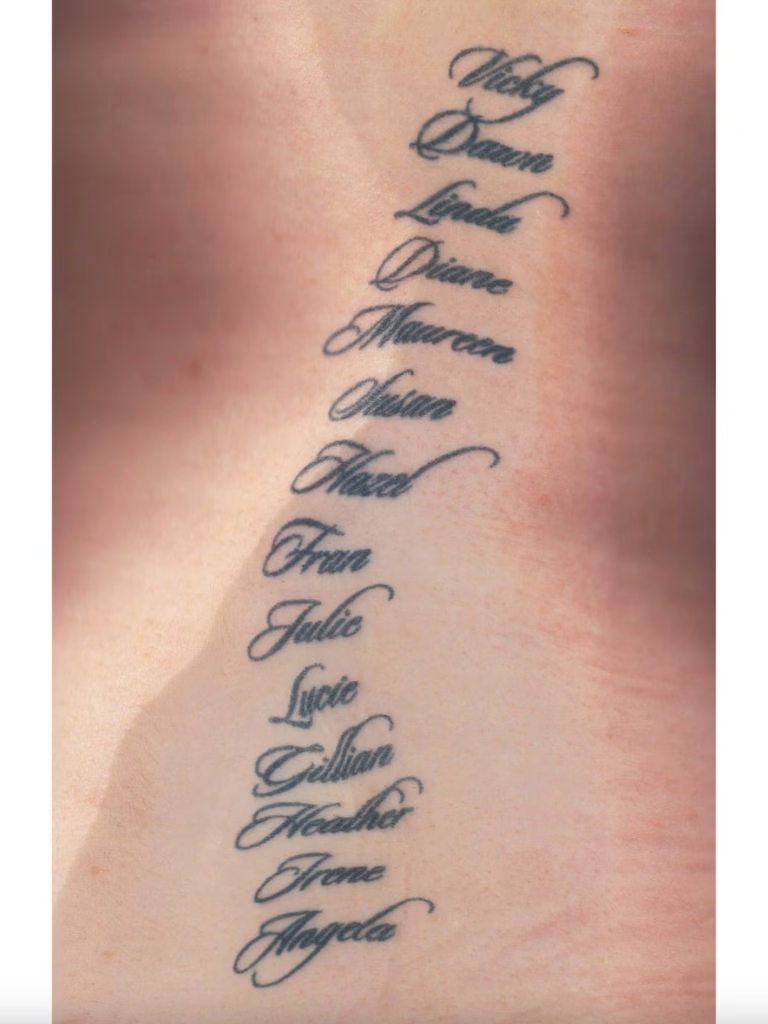
Performance artist Harriet Richardson refuses to erase her past; instead, she carves it into her body — the names of her past lovers’ mothers inked along her ribs. This act, breaking the patriarchal binary of the “permanent woman” and the “temporary one,” creates a poetics of memory that resists the fleeting nature of romance.
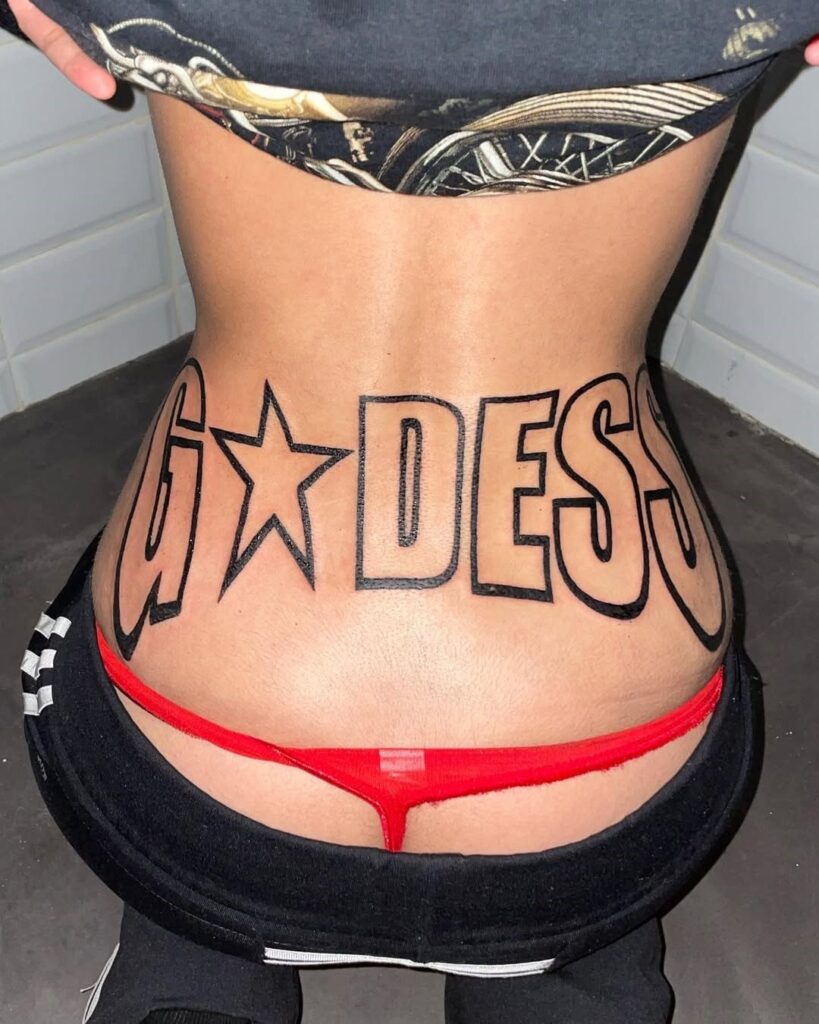
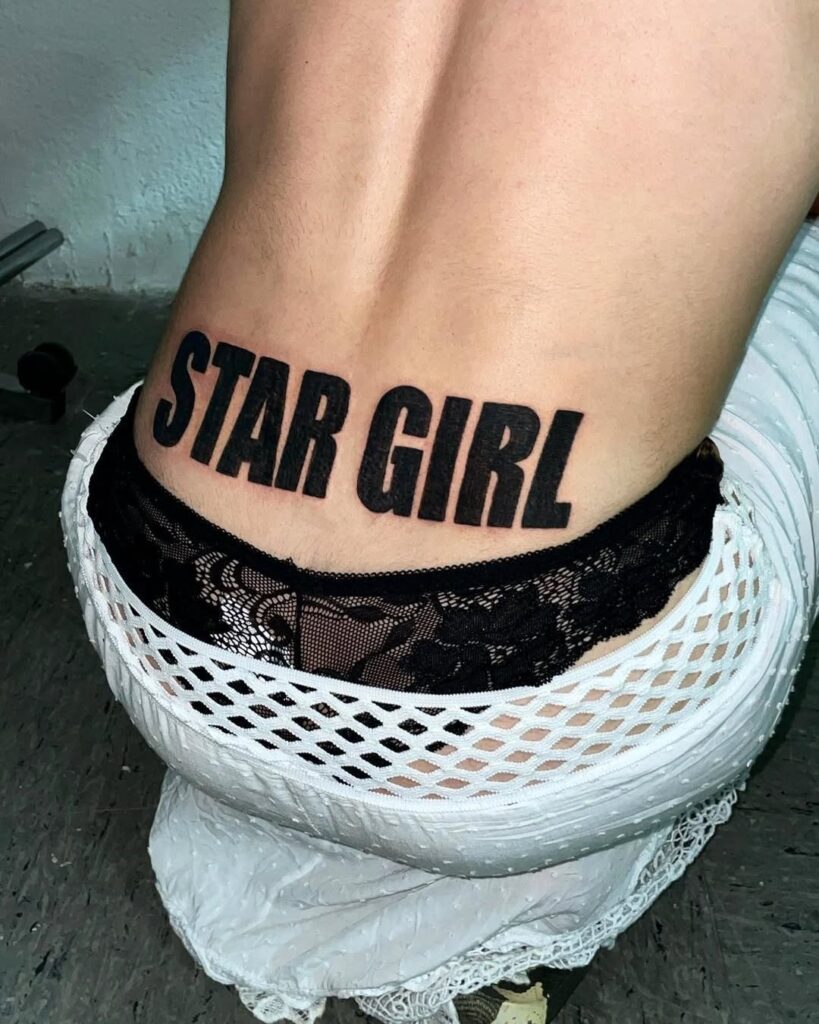
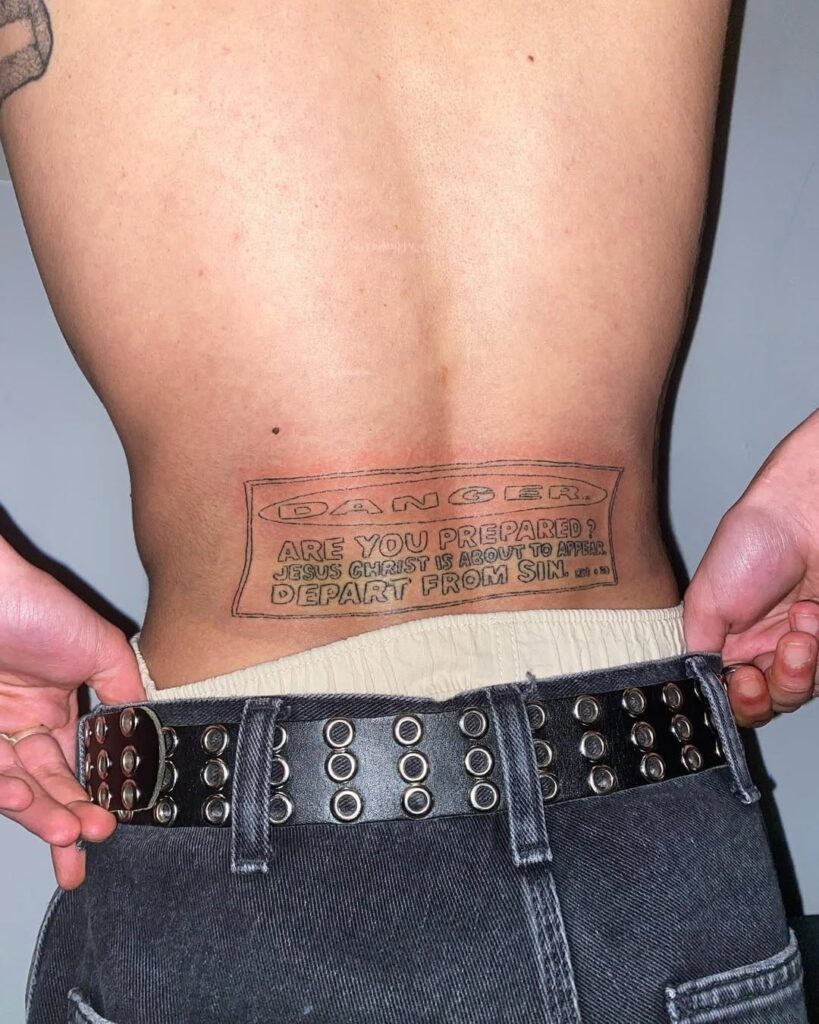
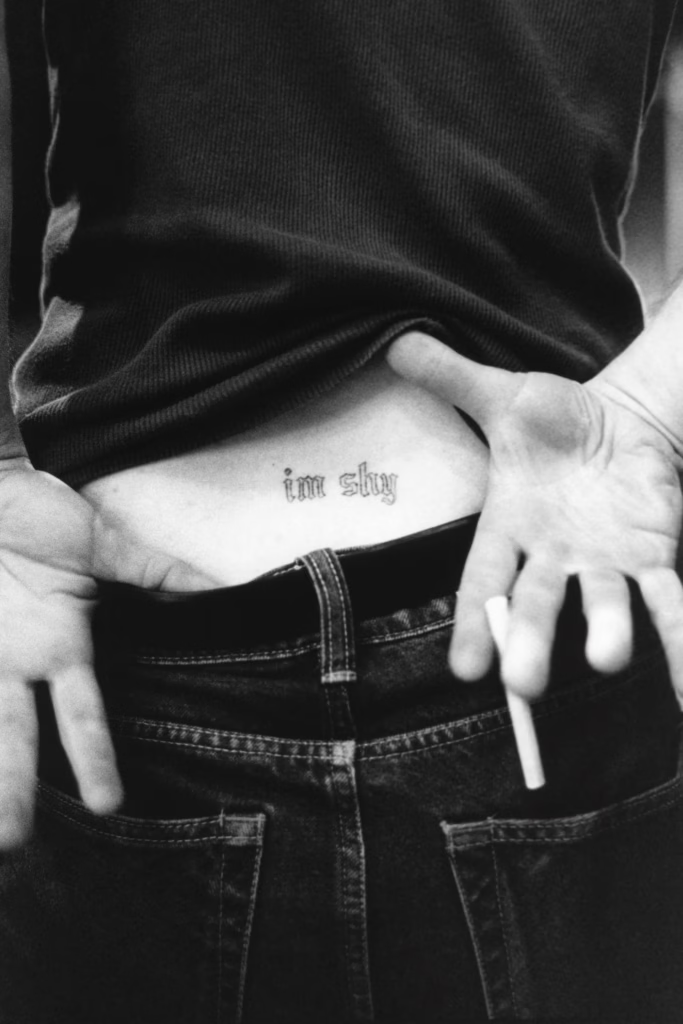
Meanwhile, the lower-back tattoo — long dismissed as the “tramp stamp” — is being reborn. The stereotypes around women’s sexual behavior are fading; the tattoo is no longer about sex, but about owning one’s body and keeping a trace of playfulness against life’s seriousness. Being a virgin, monogamous, or asexual — none of it changes the meaning of this artistic language.
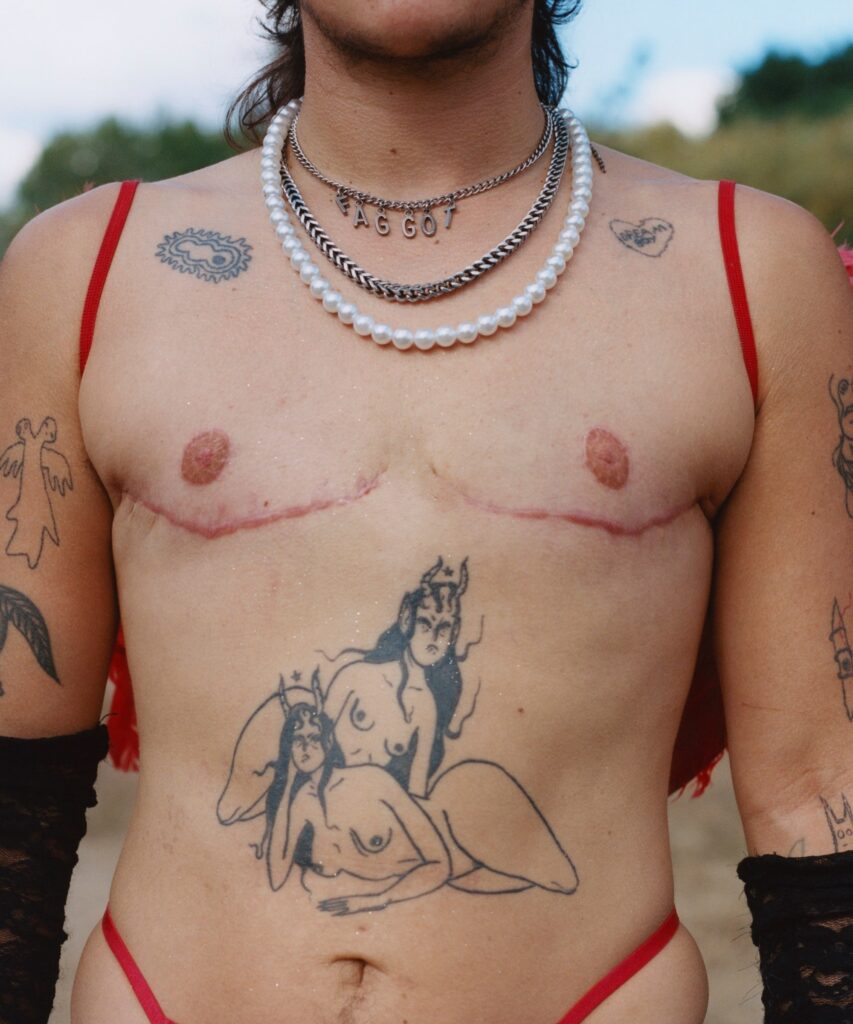
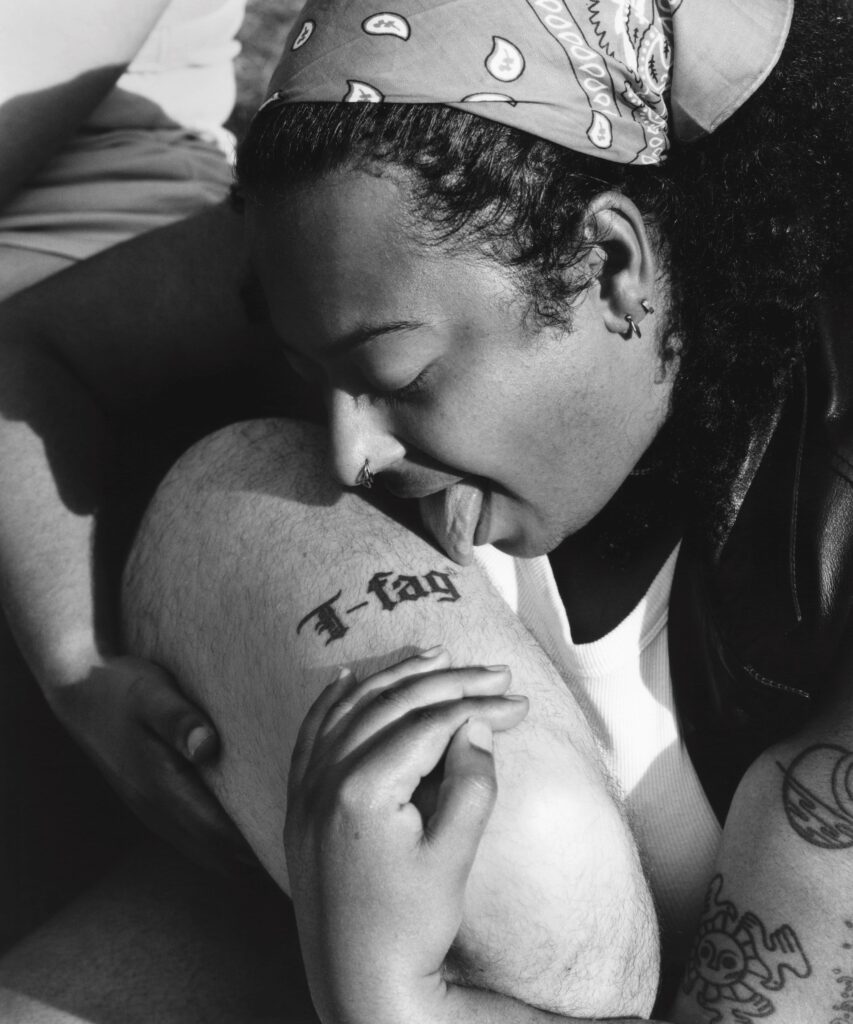
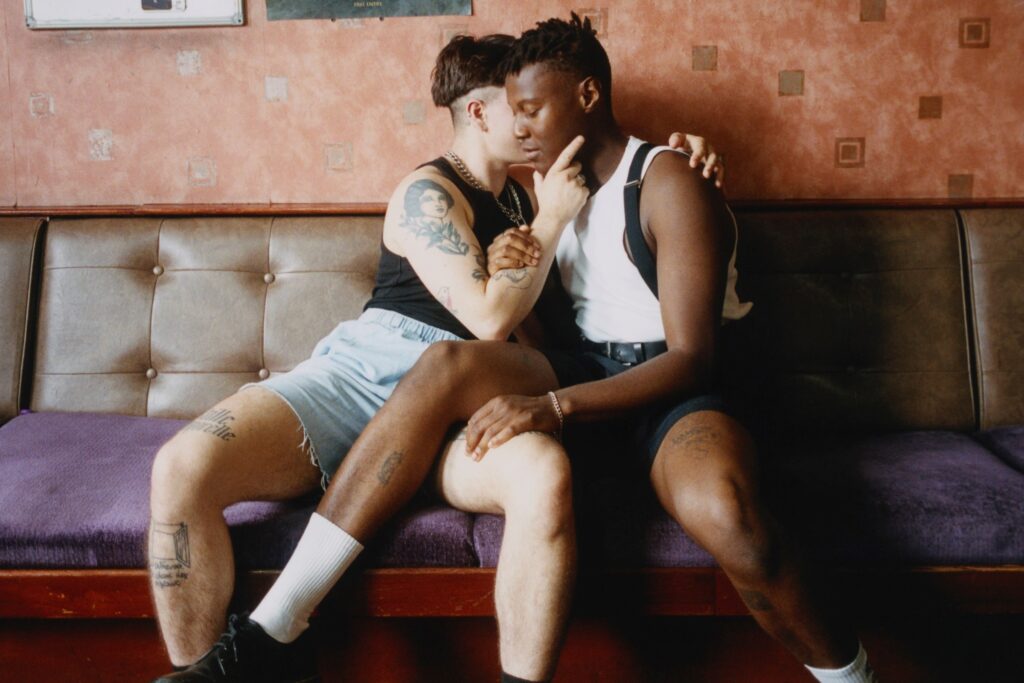
Elsewhere, projects like T-Fags are building a visual archive of transmasculine body language. Hardwick and Isaacs collect the symbols of queer culture, reclaiming trans visibility from the cis gaze and reframing it through intimacy, tenderness, and aesthetic expression.


For too long, the body has been explained through someone else’s eyes.
Now, we let it speak in our own language.
Every tattoo — a memory, a stance, a choice.