
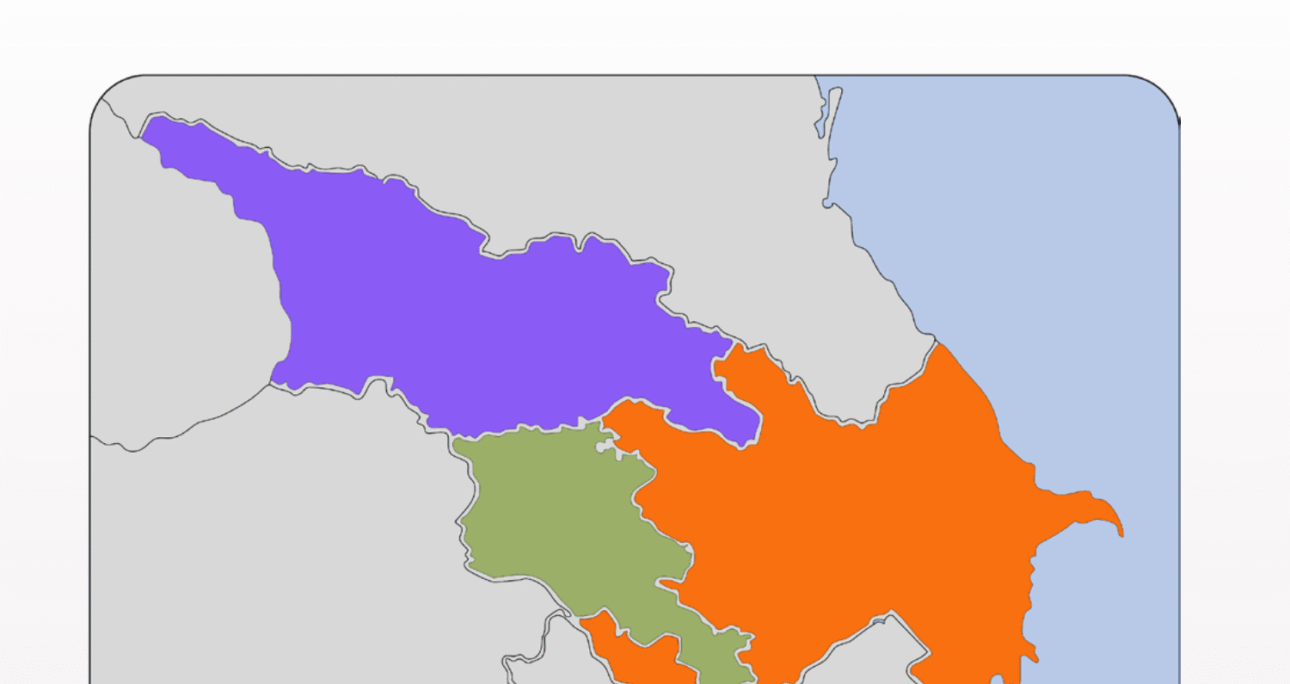
QueeRadar’s newly released annual media monitoring report analyzes more than 1,141 media materials from Azerbaijan, Armenia, and Georgia, revealing how queer lives were framed — or silenced — across the region in 2024. The findings show that media outlets in the South Caucasus continue to use queer identities as tools for political messaging, manipulation, and sensationalism.
In Azerbaijan, 85% of LGBTİQ+-related coverage focused on foreign events, portraying queerness as a “Western political agenda.” Out of 691 monitored stories, only seven approached the topic through a human rights lens.
In Armenia, despite improvements in media freedom, queer issues remain marginal. Trans women appeared more frequently in the news this year, but their representation was often sensationalized rather than nuanced. Russian-language narratives continue to strongly influence reporting.
In Georgia, the repressive “Family Values” law effectively banned queer symbols and limited queer representation in the media. Pro-government outlets repeatedly amplified anti-queer slogans, while the murder of trans model Kesaria Abramidze was widely reported without any political or structural context.
The report provides detailed insights into media bias, language choices, harmful narratives, censorship, and the political use of queer lives in regional discourse.
QueeRadar emphasizes: Media doesn’t just tell stories — it decides whose stories are allowed to be heard.