

1. Addiction to Others’ Opinions
In our society, one of the most widespread “hidden” addictions is dependence on others’ opinions. At every step, the question “What will people say?” follows us. It feels like this phrase is coded into the subconscious of parents, relatives, and neighbors. From early childhood, we are often guided not by our own desires, but by the fear of “not embarrassing ourselves” — when choosing a university major, entering a relationship, deciding how to dress, or even in everyday conversations.
Research shows that two main mechanisms lie behind this behavior:
- Normative social influence – following others in order to be accepted and not rejected.
- Informational influence – assuming others know better in uncertain situations and repeating their choices.
We see these effects clearly in daily life. Imagine you are at a gathering, wanting to share your opinion, but an inner voice stops you: “What if they think differently about me?” Or you buy a new outfit but wait for your friend’s or your mother’s “I like it” before wearing it. Or you go to a party, and instead of enjoying the music, you’re listening more to your inner dialogue: “Do I look like I belong here? Can I fit in?”
These doubts are not random — they come from our internal sensor. This sensor constantly monitors: our behavior, our appearance, even our thoughts. So even in spaces where we should feel “free,” we end up taking an invisible test.
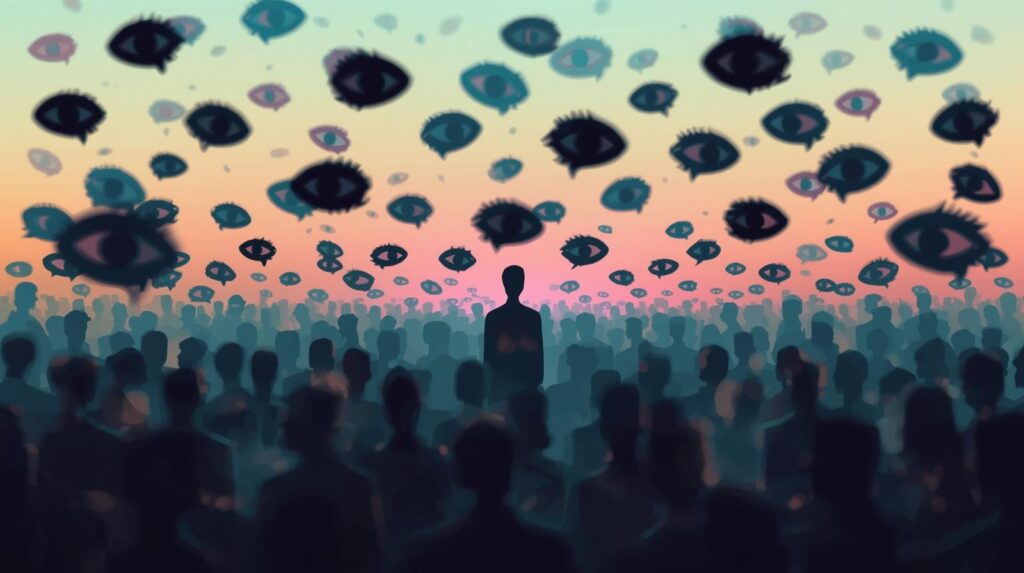
That “invisible test” has even deeper consequences for queer and LGBT+. Because it’s not just about appearance or behavior — it’s about identity itself. They are questioned not only for their choices but for their very existence. “If I talk about my partner, how long will people still treat me normally?” and “Is this really a safe place, or just pretending to be tolerant?”
Psychologists say that when this continues, it leads to self-loss: a person forgets who they are and what they want. Someone unable to express themselves or protect their boundaries develops an inner emptiness. And that emptiness often opens the door to other addictions.
Dependence on others’ opinions is sometimes the starting point for all of these behaviors. It’s not just about “indecisiveness,” but about the human psyche’s sensitivity to social pressures. Still, it is possible to notice it and create balance.
Small tips:
- Others’ opinions can be a compass, but the direction should always be yours.
- Before making a decision, ask yourself: “Is this what I want, or am I acting under someone else’s influence?”
- Take small steps in making your own choices: for example, when buying clothes, listen first to your own “I like it”feeling, trust your intuition, and don’t rush.
- You don’t have to fit in. Your look and your behavior are your choices — not someone else’s version of “normal.”
- Seeking safe spaces is essential for feeling comfortable.
- Being part of supportive circles (a queer friend group, online spaces, allies) reduces the pressure of the “internal sensor.” Because there, you don’t need to change yourself to “fit in.”
2. Relationship Addiction
Sometimes this influence doesn’t just show up in daily decisions but also in our relationships. “When are you getting married? Still single?” – these are some of the most common questions in our society. Such pressure can drag us into believing that if we don’t have a partner, we are worthless. As if everyone must be in a relationship, and our ultimate goal in life is to find a partner. But maybe you don’t want a relationship at all, or maybe right now you’re simply not ready. That’s normal. The real issue is when social norms push us into relationships that don’t suit us, making us lose ourselves.
In psychology, this is often called relationship addiction or codependency — when someone sees themselves only through the eyes of their partner, breathes with their partner’s needs and feelings, while forgetting their own. Signs of this include:
- Building your identity entirely around your partner.
- Overlooking unhealthy behaviors out of fear of rejection.
- Losing boundaries.
- Putting others’ needs above your own.
- Struggling to say “no.”
For example, a young person places their partner at the very center of their life, pushing friends, hobbies, and even dreams aside. That’s not love — that’s addiction. Because love should not complete you; it should set you free.
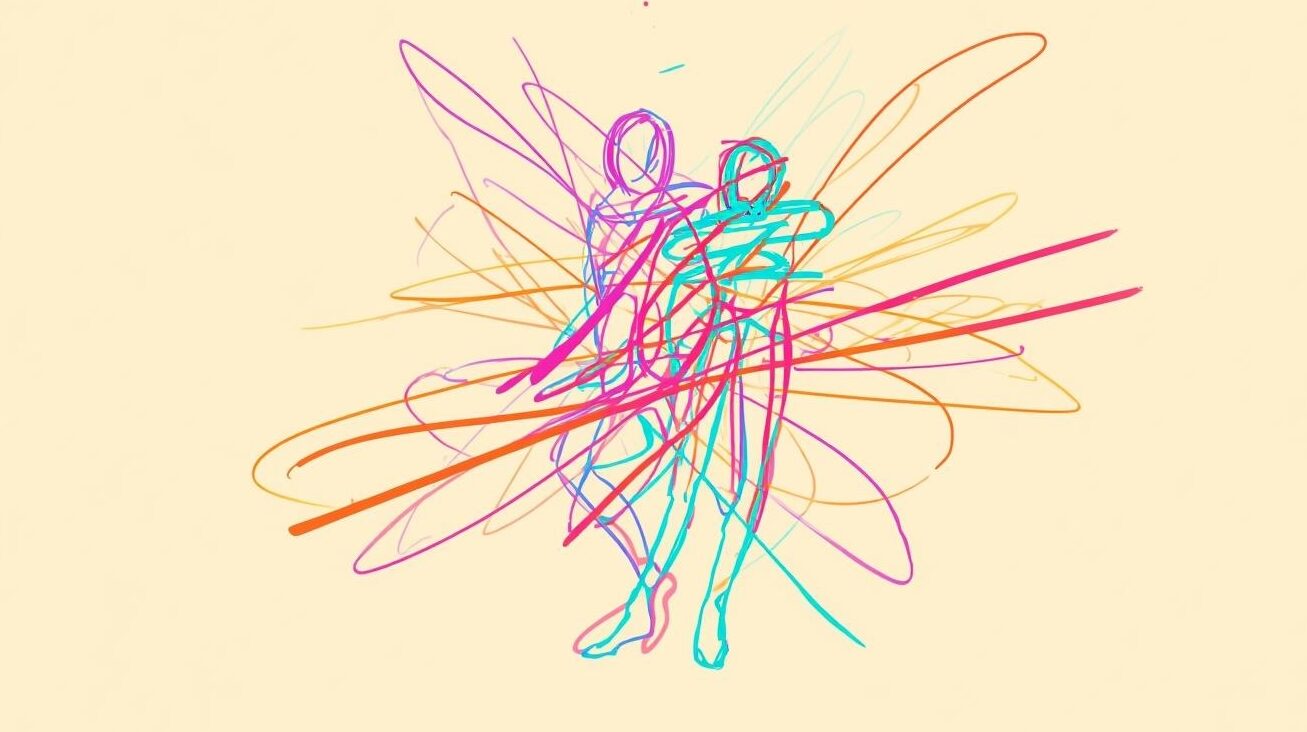
This situation can be difficult for anyone, but for queer and LGBT+ it becomes even more layered. Society often sees only heterosexual relationships as “normal.” In such cases, a partner becomes not just a lover but also a “safe zone.” For someone rejected by family or society, all emotional support can end up placed on the relationship. This raises the risk of codependency: the mindset of “they’re my everything” puts too much emotional weight on one partner.
Ways forward:
- Recognize and express your own needs.
- Don’t rush into a relationship just because of social pressure — finding a partner is not an “ultimate goal.”
- Build your own world: keep your friends, hobbies, and dreams alive.
- If needed, seek professional help, because restoring emotional boundaries sometimes requires support.
Being in a relationship is beautiful — but losing yourself in one is not.
✨ Never forget: one of the most important relationships in your life is the one you have with yourself. When that bond is steady, every other relationship becomes healthier and more genuine.
3. Social Media (Scrolling) Addiction
Phone in hand, finger on the screen — and suddenly hours have passed. We all know that feeling. The scroll that starts with “just one more video” sometimes pulls us away from real life.
Psychologists say this behavior often stems from loneliness and emotional emptiness. We cling to screens to find something that matches our mood, to distract ourselves, or just to escape into someone else’s story. Scrolling can sometimes be productive — we discover new information, get inspired, have fun. But when balance is lost, it becomes an addiction.
Research shows:
- Social media use increases dopamine in the brain. Every notification or new video gives a small “dose of happiness.”
- The brain repeats the behavior to get that feeling again → creating a dopamine loop.
- Loneliness, stress, and everyday problems reinforce the cycle.
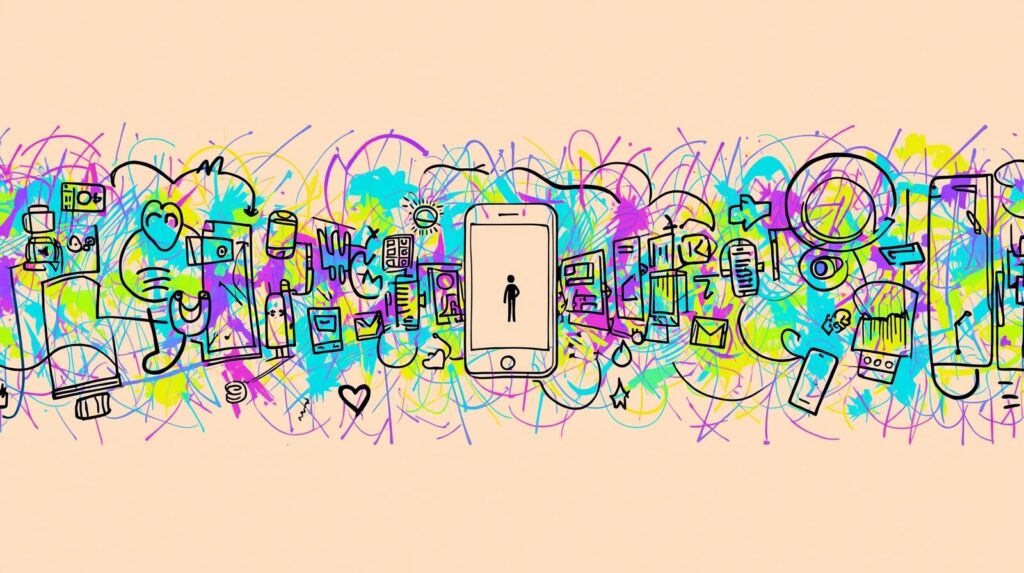
In our reality, scrolling also serves as a form of escape — from life’s difficulties, social pressures, or even our own feelings. Especially for queer and LGBT+, social media becomes a place of acceptance and visibility. Sometimes, seeing a story similar to your own online brings the comfort of “I’m not alone.” But that very comfort makes scrolling more tempting, and the screen can quietly turn into a “safe zone” that steals time away from life.
Tips:
- Set limits — for example, 15 minutes before bed.
- Practice mindful scrolling — consciously choose what content you engage with.
- Make offline time — meet friends, read a book, or simply look out the window.
Scrolling itself isn’t bad. But when it takes over, it steals our time, our energy, and sometimes even our sense of self. Balance is the key.
4. Comparison Addiction
“They have a job, a car, a relationship… and I’m still here.” Sounds familiar, doesn’t it? Comparing yourself to others can sometimes be motivating, but when it turns into a habit, it becomes an addiction.
In psychology, this is explained by social comparison theory: people measure their worth through the successes and failures of others. The issue is that in the age of social media, comparison has become a daily norm. A friend’s new house photo, a stranger’s vacation post, someone else’s “perfect” love story.
And suddenly the question arises: “Why am I not there?”
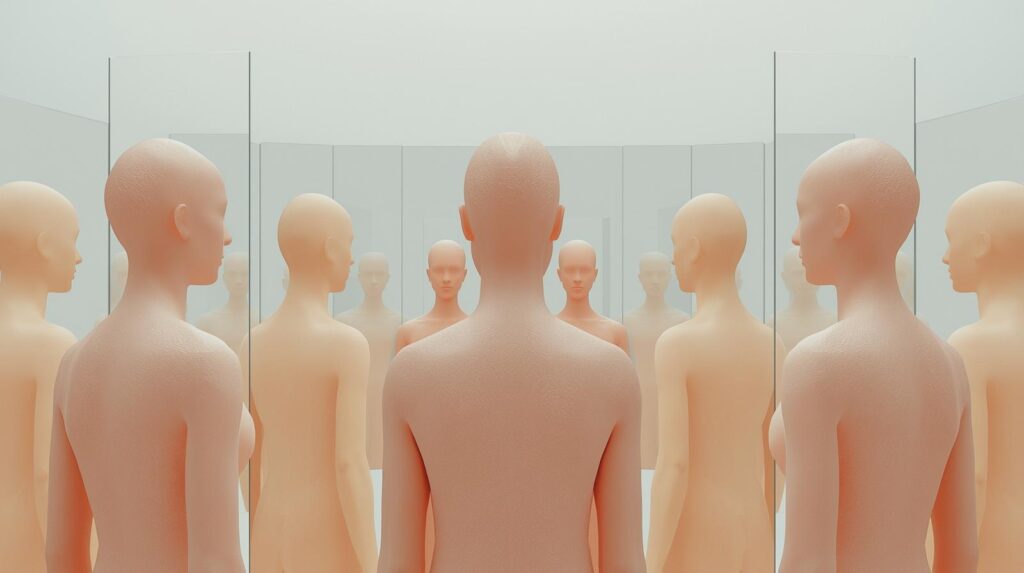
Studies show that constant comparison:
- Weakens self-confidence.
- Increases dissatisfaction and jealousy.
- Shifts focus from your own life to others’.
But it’s important to remember: everyone’s path is unique. Someone else’s pace is not yours. The healthiest approach is to compare yourself only to who you were yesterday.
Tips:
- Limit your time on social media.
- Celebrate small achievements in your own life.
- Recognize your own rhythm and dreams — don’t live by someone else’s script.
Comparison is part of being human. But becoming enslaved by it turns your life into someone else’s shadow.
These four addictions — to others’ opinions, relationships, scrolling, and comparison — all share one thing in common: they distance us from ourselves. But by recognizing them, we can reclaim our choices and live more consciously, more freely, and more comfortably.