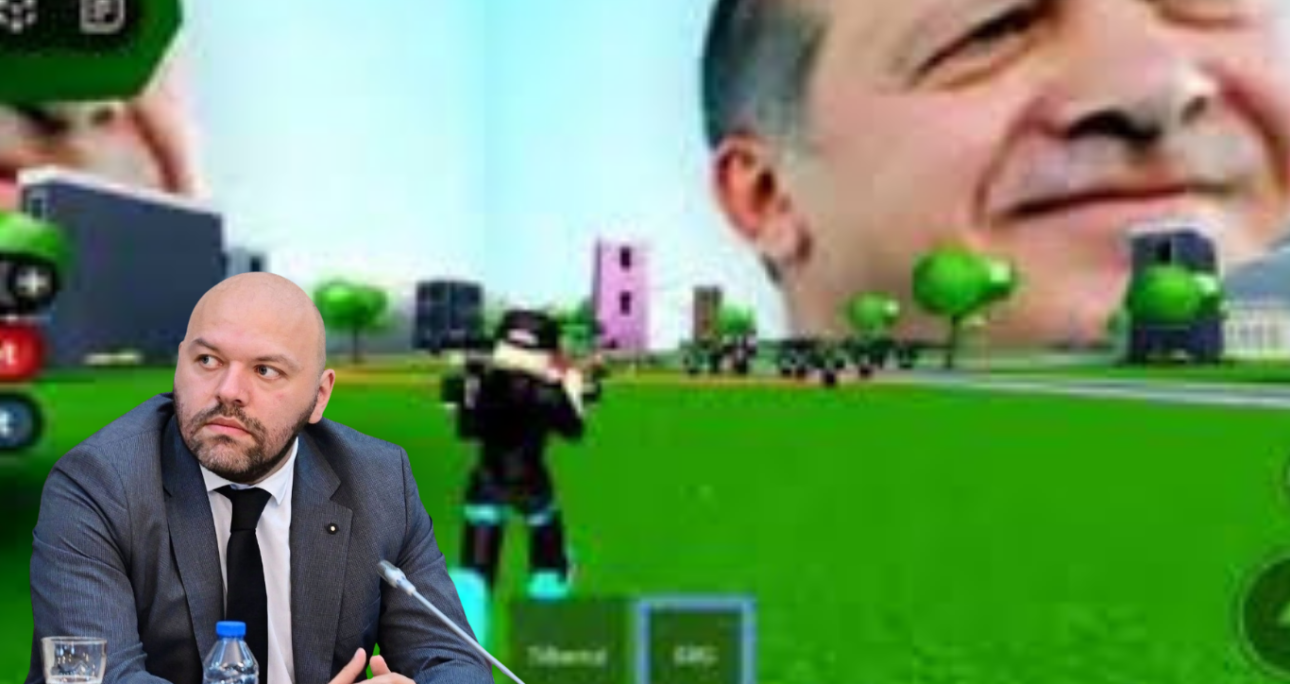
Children’s digital spaces in Azerbaijan are being targeted. In a recent statement to Azxeber, media commentator Hacıbəy Heydərli described Roblox—a platform loved by millions of children worldwide—as a “negative influence.” What stands out most, however, is not just the criticism of a game, but the way LGBTQ+ symbols and rainbow imagery were framed as something dangerous.
Heydərli went further by calling for bans on LGBTQ+ themes, presenting them as “harmful elements,” and pointed to Russia as an example to follow. But Russia’s approach to platforms like Roblox exists in a broader context—one where freedom of expression, human rights, and diversity are routinely restricted. Referencing this model is not a neutral choice. It reflects a vision of society where difference is treated as a threat rather than a reality.
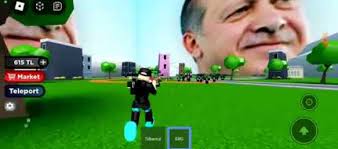
Turkey offers another revealing example. In August 2024, authorities blocked access to Roblox, officially citing “child protection.” Yet the timing told a different story. A satirical game called Vergiden Kaçış (RTE) had quickly gone viral. In the game, players try to escape fictional taxes imposed by a character named “Boss RTE,” including absurd ideas like a “breathing tax” and a “living tax.” The game attracted over one million players in a matter of weeks. Shortly afterward, access to the entire Roblox platform was cut off, again justified under the language of “child exploitation.”
What both the Russian and Turkish cases show is familiar: “protecting children” is often used as a convenient excuse to silence criticism, limit creativity, and erase difference.
This is why portraying Roblox as nothing more than a harmful platform is deeply misleading. Around the world, Roblox is widely seen as more than a game. It is a creative space where children don’t just consume content—they build it. Through Roblox Studio, kids design worlds, create games, and experiment with ideas. Many are introduced to basic coding, problem-solving, and digital design for the first time in an environment that feels playful rather than intimidating.
Roblox is also a social space. Its multiplayer nature encourages cooperation, teamwork, and shared responsibility. Children learn how to work together, exchange ideas, and sometimes take on leadership roles while building something collectively. These are real-life skills, developed in a digital setting.
Beyond creativity and collaboration, Roblox quietly supports other forms of learning. Players read instructions, write messages, estimate sizes and costs, solve logical problems, and research solutions when they get stuck. Trial and error is part of the experience, allowing children to fail safely, try again, and think critically about what works and what doesn’t.
Against this reality, calls to ban Roblox reveal something deeper than concern for children. They reflect an effort to control how young people think, express themselves, and imagine the world around them. The ideas voiced by Hacıbəy Heydərli stand in clear contrast to an inclusive society that respects human rights and embraces diversity.
Entertainment should be for everyone. No color, no identity, and no form of self-expression should be treated as a threat. If we truly care about children, the answer is not bans and censorship. The answer is teaching media literacy, encouraging critical thinking, and supporting digital skills. Seen this way, Roblox is not the problem—it is part of the solution.